Secure cloud storage for sensitive data is crucial in today’s digital landscape, where data breaches are a looming threat. Understanding the importance of safeguarding sensitive information in the cloud is paramount for businesses and individuals alike. Let’s delve into the world of secure cloud storage and explore how it can protect your valuable data.
Introduction to Cloud Storage

Cloud storage refers to the storage of data on remote servers accessed over the internet, allowing users to store, access, and manage their files securely without the need for physical storage devices. This technology offers numerous advantages, including scalability, accessibility from any location, automatic backups, and cost-effectiveness compared to traditional storage methods.
Types of Cloud Storage Solutions
- Public Cloud Storage: Provided by third-party service providers and accessible to anyone on the internet. Examples include Google Drive, Dropbox, and Amazon S3.
- Private Cloud Storage: Utilized by a single organization and managed internally or by a dedicated third-party provider. Offers enhanced security and control over data.
- Hybrid Cloud Storage: Combines public and private cloud storage solutions, allowing organizations to store sensitive data in a private cloud while utilizing the scalability and cost-effectiveness of public cloud services.
Importance of Secure Cloud Storage for Sensitive Data
Securing sensitive data in the cloud is crucial in today’s digital age where data breaches and cyber threats are rampant. Organizations and individuals must prioritize the protection of sensitive information to prevent unauthorized access, data leaks, and potential legal consequences.
Significance of Securing Sensitive Data
Ensuring secure cloud storage for sensitive data helps maintain confidentiality, integrity, and availability of the information. By implementing robust security measures, such as encryption, access controls, and regular monitoring, data owners can mitigate the risks associated with storing sensitive information in the cloud.
Risks of Storing Sensitive Data in Unsecured Cloud Environments
- Unauthorized Access: Without proper security measures, sensitive data stored in the cloud can be accessed by cybercriminals or malicious insiders, leading to data breaches.
- Data Leakage: Inadequate protection can result in data leakage, where sensitive information is unintentionally exposed or shared with unauthorized parties.
- Compliance Violations: Failure to secure sensitive data in the cloud can lead to non-compliance with data protection regulations, resulting in legal penalties and reputational damage.
Examples of Data Breaches Due to Insufficient Cloud Security Measures, Secure cloud storage for sensitive data
- In 2019, Capital One experienced a massive data breach where over 100 million customer records were compromised due to a misconfigured firewall in their cloud environment.
- In 2018, Exactis, a marketing and data aggregation firm, exposed a database containing 340 million records on a publicly accessible server, highlighting the risks of inadequate cloud security practices.
- The 2017 Equifax data breach, one of the largest in history, was caused by a vulnerability in their web application, allowing hackers to access sensitive personal information of 147 million individuals.
Features of Secure Cloud Storage
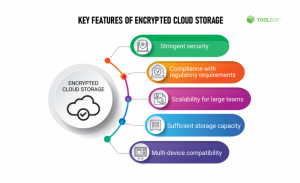
When it comes to storing sensitive data in the cloud, certain key features play a crucial role in ensuring the security and integrity of the information. Let’s explore some of the essential features that make cloud storage a secure option for sensitive data.
Encryption Methods
Encryption is a fundamental aspect of secure cloud storage. Data is encrypted before being stored in the cloud, ensuring that even if unauthorized users gain access to the information, they cannot decipher it without the encryption key. Various encryption methods such as AES (Advanced Encryption Standard) and RSA (Rivest-Shamir-Adleman) are commonly used to secure data in the cloud.
These encryption techniques provide an added layer of protection against potential threats.
Access Controls and Authentication
Access controls and authentication mechanisms are vital in maintaining the security of sensitive data stored in the cloud. Access controls allow organizations to define who can access specific data and what actions they can perform. By implementing role-based access control (RBAC) and multi-factor authentication (MFA), cloud storage providers ensure that only authorized users can view, modify, or delete sensitive information.
This helps prevent unauthorized access and data breaches.
Secure Data Transmission
Another important feature of secure cloud storage is the encryption of data during transmission. When data is transferred between the user’s device and the cloud server, it is essential to ensure that this information is encrypted to prevent interception by malicious actors.
Secure Socket Layer (SSL) and Transport Layer Security (TLS) protocols are commonly used to encrypt data in transit, safeguarding it from unauthorized access during transmission.
Regular Security Audits
Cloud storage providers often conduct regular security audits to identify and address any vulnerabilities in their systems. These audits help ensure that the infrastructure and processes used to store and manage sensitive data meet industry standards and comply with regulations.
By proactively monitoring and assessing their security measures, cloud storage providers can enhance the overall security of the data stored in the cloud.
Best Practices for Securing Sensitive Data in the Cloud
When it comes to storing sensitive data in the cloud, it is crucial to follow best practices to ensure the security and integrity of your information. Implementing proper security measures can help prevent unauthorized access and potential data breaches.
Encrypting Data Before Storing in the Cloud
One of the most important steps in securing sensitive data in the cloud is to encrypt the data before storing it. Encryption converts the data into a format that can only be read with the correct decryption key, making it unreadable to anyone without authorization.
- Use strong encryption algorithms such as AES (Advanced Encryption Standard) to encrypt your data.
- Ensure that the encryption keys are stored securely and separately from the encrypted data.
- Regularly update and rotate encryption keys to enhance security.
Importance of Regular Data Backups for Data Recovery
Regular data backups are essential for ensuring that your sensitive data is protected and can be recovered in case of a breach or data loss incident. By maintaining up-to-date backups, you can minimize the impact of data loss and quickly restore your information.
- Set up automated backup processes to ensure that backups are performed regularly.
- Store backups in secure, offsite locations to prevent data loss in case of physical damage or theft.
- Test your data recovery process periodically to ensure that backups are functioning correctly.
Tips for Implementing Strong Password Policies
Implementing strong password policies for cloud storage accounts is essential to protect sensitive data from unauthorized access. Weak passwords can be easily compromised, putting your data at risk.
- Require complex passwords with a mix of letters, numbers, and special characters.
- Enforce regular password changes to prevent the use of compromised passwords.
- Implement multi-factor authentication for an added layer of security.
Compliance and Regulations in Secure Cloud Storage
When it comes to storing sensitive data in the cloud, organizations must adhere to various compliance standards and regulations to ensure the security and privacy of the information. Failure to comply with these standards can result in severe consequences, including financial penalties and damage to reputation.
Common Compliance Standards for Secure Cloud Storage
Organizations storing sensitive data in the cloud need to comply with several common standards and regulations to ensure data protection:
- General Data Protection Regulation (GDPR): A regulation in EU law that protects the personal data and privacy of individuals.
- Health Insurance Portability and Accountability Act (HIPAA): Ensures the security and privacy of healthcare information.
- Payment Card Industry Data Security Standard (PCI DSS): Sets security standards for handling credit card information.
Ensuring Compliance with Data Protection Laws
Organizations can ensure compliance with data protection laws when using cloud storage by:
- Encrypting data both in transit and at rest to prevent unauthorized access.
- Implementing access controls to restrict who can view and modify sensitive data.
- Regularly monitoring and auditing cloud storage activities to detect any suspicious behavior.
Role of Certifications like ISO 27001
Certifications like ISO 27001 play a crucial role in verifying the security of cloud storage providers. ISO 27001 is an international standard that Artikels the requirements for establishing, implementing, maintaining, and continually improving an Information Security Management System (ISMS).
By selecting a cloud storage provider that is ISO 27001 certified, organizations can have confidence in the provider’s ability to protect sensitive data and comply with industry best practices.
Final Summary
In conclusion, implementing secure cloud storage practices is essential for safeguarding sensitive data from potential threats and breaches. By prioritizing data security measures and staying compliant with regulations, you can ensure the safety of your information in the digital realm.
Commonly Asked Questions
How can I ensure the security of sensitive data in the cloud?
Implement strong encryption methods, access controls, and authentication measures to secure sensitive data in the cloud effectively.
What are the risks of storing sensitive data in unsecured cloud environments?
Unsecured cloud environments pose risks of data breaches, unauthorized access, and potential loss of sensitive information.
Why is compliance important in secure cloud storage?
Compliance ensures that organizations adhere to data protection laws and industry standards, minimizing the risk of data exposure and legal consequences.